Silhouette Banana Tree Logo Vector Review
When I sit down to evaluate a new machine embroidery design, my first question is always practical: does this design hold up when it leaves the screen and enters the hoop? We live in an era where digital assets are abundant, but not every embroidery file translates well into physical thread. Today, I am putting the Silhouette Banana Tree Logo Vector through its paces. This asset, categorized under Logos and Graphics, promises a vintage illustration aesthetic with a tropical flair. But for those of us who stitch for a living—whether for a boutique brand or a personal gift—the question isn't just how it looks on a monitor, but how it behaves under the needle.
First Impressions: Mood and Visual Personality
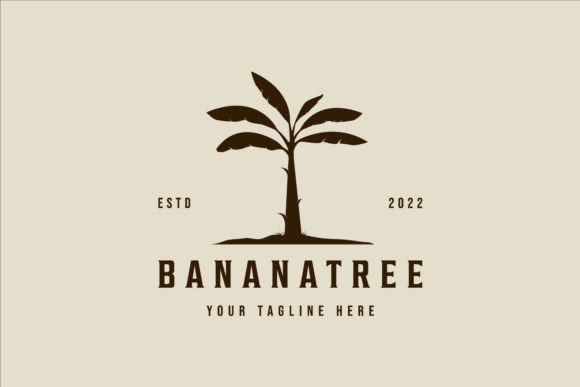
The moment you load the Silhouette Banana Tree Logo Vector into your digitizing software, the mood is immediately established. It carries that distinct, timeless weight of a vintage stamp or a rustic sign. The silhouette approach is bold and confident. There is no need for intricate internal detailing because the power lies in the negative space and the strong outline of the banana tree fronds and fruit clusters. For an embroidery designer, this is a relief. Complex illustrations often turn into muddy blobs of thread if the stitch density is too high or the fabric is too fine. Here, the clean lines suggest a design that relies on clarity rather than complexity.
This visual personality naturally lends itself to specific aesthetics. It feels at home in organic farming communities, bohemian home decor, and coastal lifestyle brands. It evokes a sense of nature, growth, and relaxed elegance. If you are looking to add a touch of tropical plants to a collection without going overboard with color, this vector provides a solid foundation. It is graphic enough to stand alone as a statement piece, yet subtle enough to serve as a secondary accent on a garment.
Real-World Application: From Screen to Stitch
Let’s imagine a real project scenario. You are preparing a line of custom merchandise for an upcoming summer craft fair. Your target audience includes young parents and eco-conscious consumers. You decide to create a series of custom apparel items, starting with heavy cotton canvas tote bag design options and soft fleece sweatshirt embroidery pieces. The Silhouette Banana Tree Logo Vector fits this brief perfectly.
On a tote bag, the logo would likely be placed centrally or slightly off-center near the top hem. Because it is a silhouette, it reads clearly even from a distance. Shoppers walking past a booth will recognize the shape instantly. It suggests a connection to nature and sustainability, which resonates deeply with buyers looking for handmade product authenticity. On a sweatshirt, perhaps embroidered on the back yoke or the front left chest, the vintage feel adds a layer of sophistication. It transforms a basic garment into a curated fashion item. This is exactly the kind of finished product that drives engagement on platforms like Etsy, where visual storytelling is key.
Beyond apparel, consider the versatility for personalized gift markets. A small, refined version of this logo works beautifully on linen tea towels or kitchen aprons. The theme of "organic farmer" or "garden enthusiast" aligns seamlessly with kitchen textiles. Imagine a set of matching aprons for a wedding gift, featuring this logo alongside simple text. It elevates the perceived value of the gift, making it feel bespoke and thoughtful. For small shop product creators, this design offers a high return on effort because it requires minimal customization to look professional.
Technical Considerations and Stitch Behavior
While the concept is strong, the execution depends heavily on how the vector is converted into stitches. As an experienced reviewer, I must highlight several areas where caution is required. First, the stitch density must be managed carefully. Silhouette designs can sometimes tempt designers to fill the entire shape with dense satin or fill stitches. However, on fabrics like jersey or thin cotton, this can cause puckering. A lighter fill or a combination of running stitch outlines with sparse fill stitch centers often yields a more durable and comfortable result.
Thread color choice is equally critical. Since the design is a silhouette, contrast is everything. On dark fabric, a white or cream thread will make the banana tree pop with crisp definition. On light fabric, a deep forest green or charcoal gray will provide the necessary visual anchor. Using a thread color that blends too closely with the fabric background will cause the intricate details of the leaves to disappear, resulting in a flat and unappealing embroidery project.
I also recommend testing the design on scrap fabric before committing to the final material. Check how the stabilizer interacts with the weave of your chosen cloth. For stretchy fabrics like t-shirt knits, a cut-away stabilizer is non-negotiable to prevent distortion. If you are planning to use this on curved surfaces like caps or hats, ensure the digitization accounts for the curvature; otherwise, the straight lines of the vector may appear warped or stretched in the final finished product.
Where to Use With Caution
- Small Hoop Sizes: While the logo is scalable, extremely small sizes (under 2 inches) may lose the character of the vintage style. Tiny fronds might merge into indistinct shapes.
- Textured Fabrics: Bouclé or heavy tweed can obscure the clean lines of the silhouette. Stick to smoother weaves for the best clarity.
- Dense Stitch Areas: Avoid placing this design next to other dense embroidery elements. Let the banana tree breathe visually.
- Frequent Washing: Ensure the backing stabilizer is removed completely after stitching to maintain the soft hand-feel of the textile.
Impact on Brand and Customer Trust
In the world of Etsy seller businesses and craft business owners, presentation is half the battle. A well-executed embroidery design signals professionalism. When a customer receives a personalized gift or purchases a boutique branding item, they are paying for quality. The Silhouette Banana Tree Logo Vector, when stitched cleanly, conveys attention to detail. It suggests that the maker cares about the integrity of the image. This builds trust. Customers are more likely to leave positive reviews and become repeat buyers when the design assets translate faithfully to the physical object.
Furthermore, the vintage aesthetic helps with brand consistency. If your shop focuses on natural, organic, or retro themes, this logo serves as a recognizable symbol. It becomes part of your visual identity. Whether used on hang tags, printable mockups, or the actual garments, it reinforces the story you are telling. For digital product sellers, offering this as a template allows customers to visualize their own branding possibilities, increasing the appeal of the listing.
Final Practical Advice for Designers
Before you download and digitize the Silhouette Banana Tree Logo Vector, take these steps to ensure success:
- Test in Black and White: Convert the vector to pure black and white in your software. This removes any distracting colors and lets you judge the balance of the shapes.
- Check Licensing: Confirm whether the license permits commercial use for finished goods. This is crucial for anyone selling commercial embroidery items.
- Review Small Details: Zoom in on the tips of the leaves. Are they sharp enough? Will they require excessive trimming?
- Mockup Variations: Create printable mockup images showing the logo on different backgrounds (wood, linen, denim) to see how it adapts to various textures.
In conclusion, the Silhouette Banana Tree Logo Vector is a versatile and aesthetically pleasing asset for the discerning embroiderer. It bridges the gap between graphic design and textile art effectively. By respecting the technical limitations of embroidery and choosing the right materials, you can transform this vector into a stunning embroidered patch, a chic apron, or a memorable holiday embroidery gift. It is a smart addition to any digital embroidery file library, offering both artistic charm and commercial viability.